
Top Hardware Wallets in 2026 — A Security-First Comparison (From Wallet Recovery Experts)
At WalletRecovery.ai, we work daily with users who lost access to their crypto — not because of hacks, but because of poor wallet design, single points of failure, or bad key management.
A hardware wallet should not only protect your crypto from hackers. It should protect you from yourself — lost seed phrases, damaged devices, forgotten backups, or inheritance issues.
That’s why this guide focuses on real-world resilience, not marketing hype.
What makes a hardware wallet “top-tier” in 2026?
From a recovery perspective, these are the features that matter most:
- No single point of failure
- Strong key isolation (offline, tamper-resistant)
- Secure backups without exposing a full seed phrase
- Designed for humans, not just engineers
- Recoverable even after device loss or damage
With that in mind, here are the best hardware wallets right now.
🥇 #1 — Cypherock X1
Best hardware wallet for long-term holders & recovery safety
Get Cypherock X1 here (17% discount)
Cypherock X1 introduces a different security model — and from a wallet recovery standpoint, it solves one of the biggest problems in crypto: the seed phrase itself.
Why Cypherock stands out
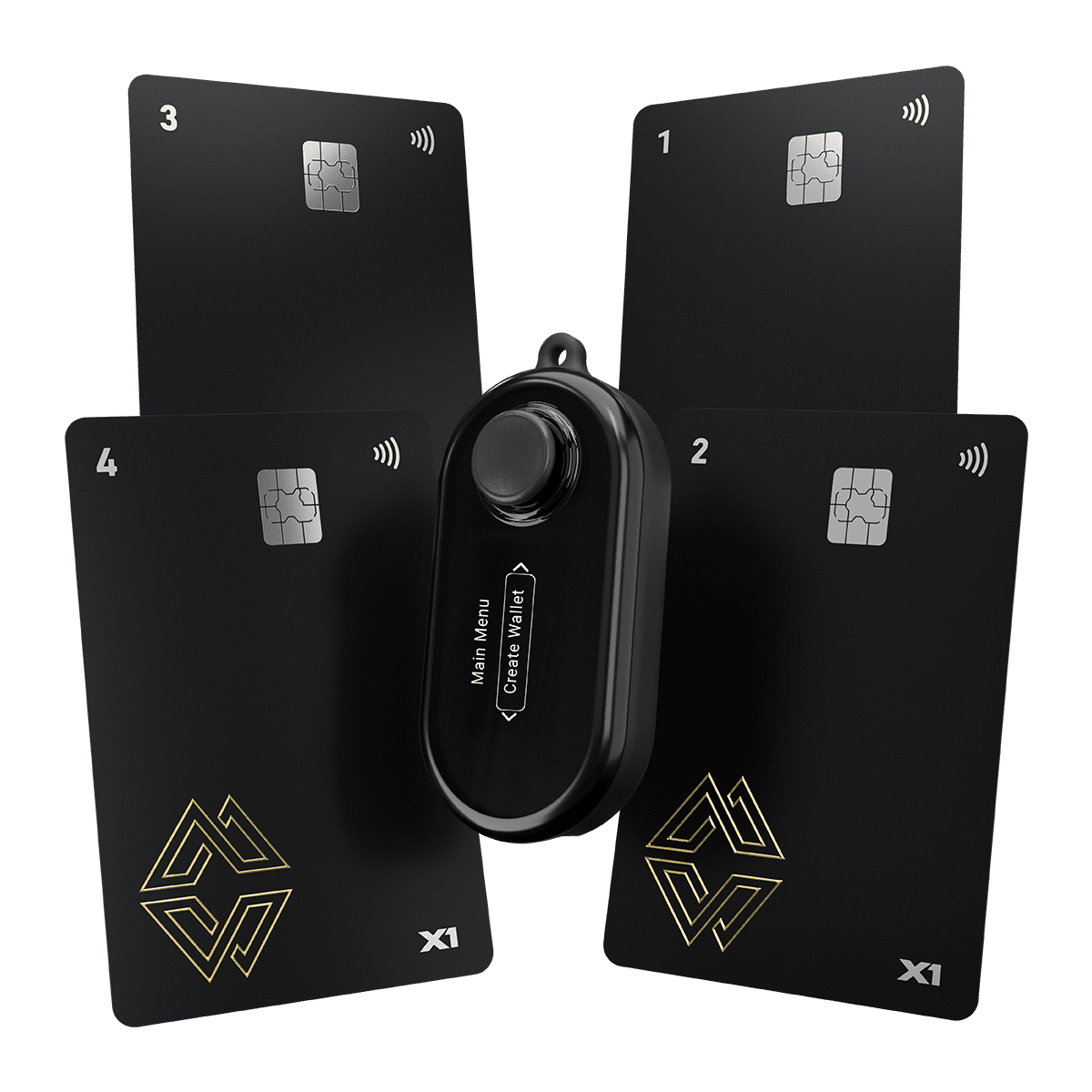
Instead of relying on a single recovery seed, Cypherock splits your private key into five encrypted shards using Shamir’s Secret Sharing:
- 1 vault device
- 4 NFC-based X1 cards
- Any 2 of 5 can recover the wallet
This means:
- No single card can compromise your funds
- Losing one (or even two) components is not catastrophic
- No written seed phrase to leak, steal, or misplace
From a recovery expert’s perspective
This architecture reduces common failure modes we see in recovery cases:
- Seed phrase exposure
- Fire/flood loss scenarios
- “One backup in one place” mistakes
- Inheritance complexity
- Human error during backup
Best for: long-term investors, high-value portfolios, users worried about seed loss, and estate/inheritance planning.
🥈 #2 — Ledger Nano X
Best for mobile users (but seed-dependent)
Ledger remains popular due to strong hardware security, broad asset support, and Bluetooth connectivity. However, Ledger still relies on a single recovery seed phrase — the number one failure point we see in recovery cases.
Good choice if: you understand seed storage risks and manage backups extremely carefully.
🥉 #3 — Trezor Model T
Best for transparency & open-source purists
Trezor’s open-source approach is a plus for advanced users, but it still relies on a seed phrase and can be more vulnerable to certain physical-access attacks compared to secure-element devices.
Good choice if: you prioritize auditability and open-source design and have strong physical security practices.
Hardware wallets vs recovery reality
From thousands of recovery cases, here’s the hard truth: most crypto losses happen after purchase, not during hacks.
Common failure points:
- Seed phrase written on paper → lost or damaged
- Seed phrase photographed → cloud leaks
- Single device failure (no redundancy)
- No inheritance plan
This is why multi-component, seedless designs like Cypherock X1 can be a big upgrade for real-world safety.
Final recommendation from WalletRecovery.ai
If your priority is maximum long-term safety, realistic recovery options, and fewer human errors, Cypherock X1 is one of the strongest choices available today.
Ledger and Trezor can still be great for many users — but for serious long-term holders, architecture matters more than brand.
Expert tip
Even the best hardware wallet can fail if all backups are stored in one location, no trusted recovery plan exists, or instructions aren’t documented. Security is not just hardware — it’s process + design + recovery awareness.
Leave a Reply