
Tag: cold storage
-

When you hear about safely storing cryptocurrency, it really boils down to one thing: taking full control of your private keys. The best way to do this is by using a mix of hardware wallets for your long-term stash and a secure software wallet for the smaller amounts you actively use. This strategy is called…
-
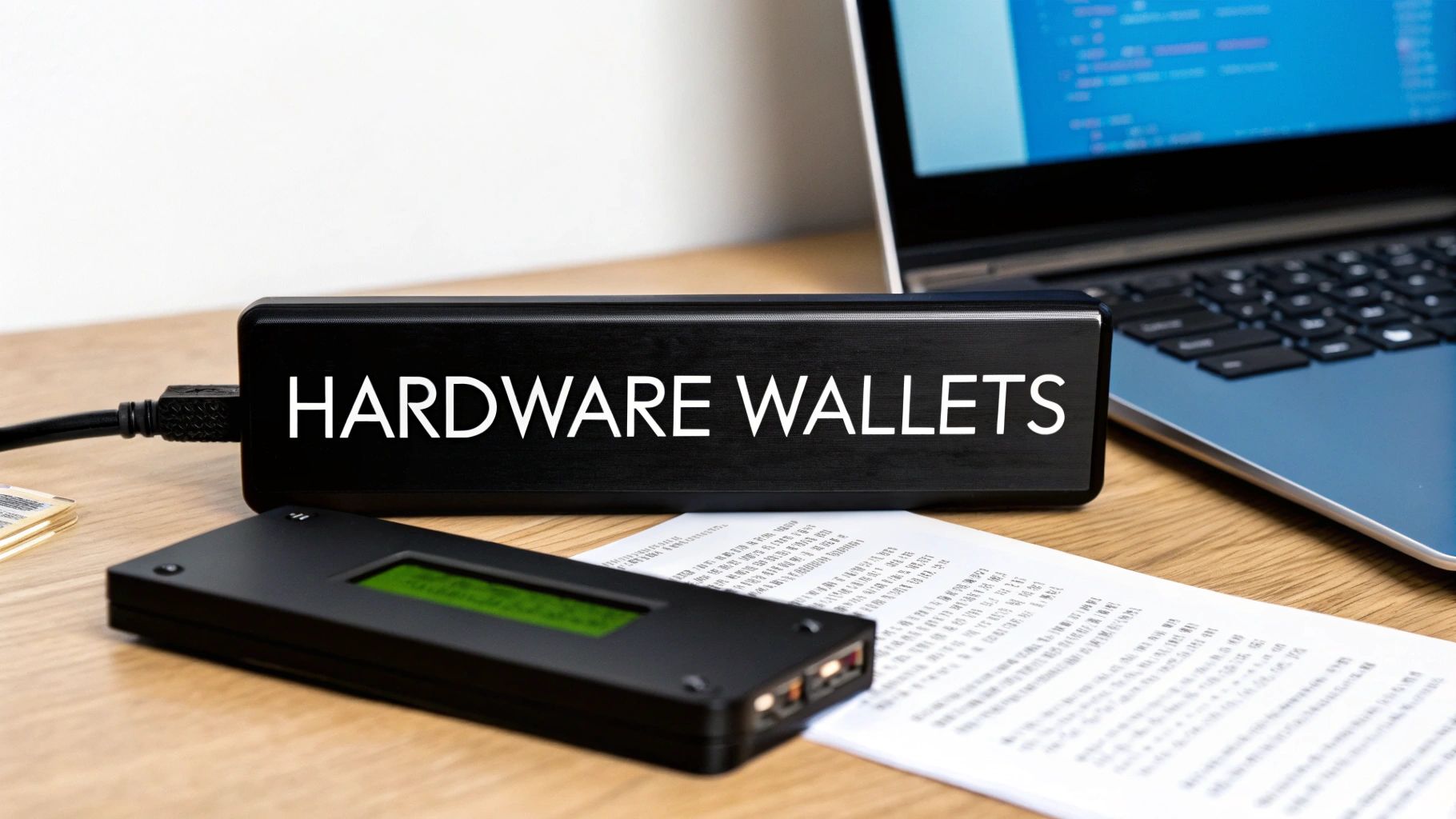
Hardware wallets are the gold standard for a reason. They work by keeping your cryptocurrency private keys on a dedicated, physical device, completely cut off from the internet. This offline method is called cold storage, and it's what makes your keys totally immune to online threats like viruses, spyware, and hackers. When you need to…
-

Comparing Top Hardware Wallets Finding the right hardware wallet means weighing security, usability, coin support, and budget in one place. Devices like Ledger, Trezor, and KeepKey lead on robust protection, while entry-level options such as the BitBox02 make cryptocurrency safe for first-timers. This quick overview helps you zero in on a wallet that fits your…
-

A hardware wallet is a small, physical device built for one single, critical purpose: to be the most secure place to store your cryptocurrency. Think of it as a specialized, pocket-sized vault for your digital assets. Unlike a software wallet that lives on your computer or phone, a hardware wallet keeps your private keys completely…
-

If you're serious about securing your crypto, you've probably heard the term "cold storage." The best cold storage wallets are hardware devices designed to do one thing exceptionally well: keep your private keys completely offline. This is a world away from software-based "hot wallets" that live on your internet-connected phone or computer. Cold storage creates…